Welcome To Qingdao Huazhuo HD Machinery Co.,Ltd.!

A Beginner's Guide to Using Weldless Pear Shaped Links Effectively
2026-06-10
A Beginner's Guide to Using Weldless Pear Shaped Links Effectively
Table of Contents
1. Understanding Weldless Pear Shaped Links
2. Benefits of Using Weldless Pear Shaped Links
3. Applications of Weldless Pear Shaped Links
4. Choosing the Right Weldless Pear Shaped Link
5. Installation Guide for Weldless Pear Shaped Links
6. Safety Tips for Using Weldless Pear Shaped Links
A Beginner's Guide to Using Weldless Pear Shaped Links Effectively
Table of Contents
- 1. Understanding Weldless Pear Shaped Links
- 2. Benefits of Using Weldless Pear Shaped Links
- 3. Applications of Weldless Pear Shaped Links
- 4. Choosing the Right Weldless Pear Shaped Link
- 5. Installation Guide for Weldless Pear Shaped Links
- 6. Safety Tips for Using Weldless Pear Shaped Links
- 7. Maintaining Your Weldless Pear Shaped Links
- 8. Common Issues and Solutions
- 9. Frequently Asked Questions
- 10. Conclusion
1. Understanding Weldless Pear Shaped Links
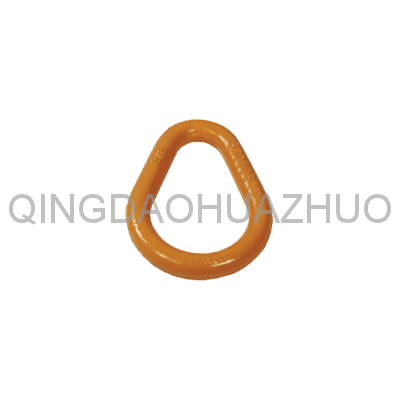
Weldless pear shaped links are essential components in various hardware applications, especially in lifting and rigging tasks. Characterized by their unique pear shape, these links do not require welding during assembly. Made from durable materials such as stainless steel or alloy, they offer a lightweight yet strong solution for connecting components securely.
The design of weldless pear shaped links allows for quick connections and disconnections, making them highly versatile. Their shape not only enhances strength but also facilitates smoother load distribution, reducing the risk of failure.
2. Benefits of Using Weldless Pear Shaped Links
Using weldless pear shaped links comes with numerous advantages:
2.1 Lightweight and Portable
The lightweight nature of these links makes them easy to transport, ideal for mobile operations where gear weight is a crucial factor.
2.2 High Strength-to-Weight Ratio
Despite being lightweight, weldless pear shaped links maintain a high strength-to-weight ratio. This feature is particularly important in lifting applications where safety and reliability are paramount.
2.3 Ease of Use
With no welding required, these links can be easily assembled or disassembled, which saves time and enhances efficiency in various projects.
2.4 Corrosion Resistance
Typically made from stainless steel, weldless pear shaped links resist rust and corrosion, ensuring longevity even in harsh environments.
3. Applications of Weldless Pear Shaped Links
Weldless pear shaped links are utilized in various industries and applications:
3.1 Construction
In construction, these links are often used in lifting equipment, hoists, and scaffolding systems, providing secure connections that can withstand heavy loads.
3.2 Marine Industry
The marine industry employs weldless pear shaped links for mooring and rigging purposes, ensuring that equipment can withstand the elements without compromising safety.
3.3 Outdoor Recreation
For outdoor enthusiasts, weldless pear shaped links are common in climbing and camping gear, where they serve as vital components in harnesses and anchor systems.
4. Choosing the Right Weldless Pear Shaped Link
Selecting the appropriate weldless pear shaped link involves several considerations:
4.1 Load Capacity
Always check the load capacity of the link. Choose a link that can handle more than the maximum weight you intend to lift to ensure safety.
4.2 Material Consideration
Select a material that suits your specific application. Stainless steel links are great for marine use, while alloy links may be more appropriate for construction tasks.
4.3 Size and Compatibility
Ensure that the size of the link is compatible with your other hardware components, such as ropes and carabiners, to maintain a secure connection.
5. Installation Guide for Weldless Pear Shaped Links
Proper installation of weldless pear shaped links is crucial for safety and functionality:
5.1 Prepare the Components
Start by gathering all necessary components, including the link, rope or cable, and any additional hardware.
5.2 Threading the Link
Begin by threading the link onto the rope or cable. Ensure that it passes through smoothly without any obstructions.
5.3 Securing the Connection
If using additional hardware, secure it according to the manufacturer's instructions. Double-check all connections to ensure they are tight and secure.
5.4 Testing the Setup
Before using the setup for its intended purpose, conduct a thorough test by applying weight gradually to ensure stability.
6. Safety Tips for Using Weldless Pear Shaped Links
Prioritizing safety is critical when using weldless pear shaped links:
6.1 Regular Inspections
Conduct regular inspections of the links for signs of wear, corrosion, or deformation. Replace any damaged links immediately.
6.2 Avoid Overloading
Always adhere to the manufacturer's load capacity guidelines. Overloading can lead to catastrophic failure.
6.3 Proper Training
Ensure that all personnel using the links are properly trained in their use and understand safety protocols.
7. Maintaining Your Weldless Pear Shaped Links
Proper maintenance extends the lifespan of weldless pear shaped links:
7.1 Cleaning
Regularly clean the links to remove dirt, debris, and salt (if used in marine applications). A soft cloth and mild soap will work effectively.
7.2 Lubrication
Depending on usage, consider applying a light lubricant to moving parts to prevent wear and improve functionality.
7.3 Storage
Store your links in a dry environment to prevent corrosion. Use protective cases if possible to avoid damage.
8. Common Issues and Solutions
Despite their advantages, issues may arise with weldless pear shaped links:
8.1 Weak Connections
If connections feel weak, double-check the installation process for any overlooked steps or improperly secured components.
8.2 Corrosion
If you notice corrosion, clean the links immediately. If corrosion is severe, consider replacing the affected links.
8.3 Difficulty in Installation
If installation is difficult, verify that the link size matches your hardware and follow the installation guide carefully.
9. Frequently Asked Questions
9.1 What materials are weldless pear shaped links made from?
Weldless pear shaped links are commonly made from stainless steel, aluminum, or alloy materials, providing both strength and corrosion resistance.
9.2 Can I use weldless pear shaped links outdoors?
Yes, these links are suitable for outdoor use, especially stainless steel varieties that resist rust and corrosion.
9.3 How do I know the load capacity of my link?
The load capacity is usually marked on the link itself or can be found in the product specifications provided by the manufacturer.
9.4 Are weldless pear shaped links reusable?
Yes, as long as they are inspected regularly and remain in good condition, they can be reused multiple times.
9.5 What should I do if a weldless pear shaped link breaks?
If a link breaks, stop using it immediately and replace it with a new one. Always ensure the replacement meets required specifications.
10. Conclusion
Weldless pear shaped links are indispensable tools in various applications, from construction to outdoor recreation. Understanding their features, benefits, and proper use ensures that you can maximize their potential while maintaining safety and efficiency. By following the guidelines provided in this article, you can confidently incorporate weldless pear shaped links into your projects. Whether you are a DIY enthusiast or a professional, mastering the use of these links will enhance your hardware skills and ensure successful outcomes in all your endeavors.
quality weldless pear shaped link
RELEVANT INFORMATION




Qingdao Huazhuo HD Machinery Co.,Ltd.
.
Qingdao Huazhuo HD Machinery Co.,Ltd. located in Qingdao, Shandong province of China, is a subsidiary of Shandong Machinery Group Corporation. The group corporation was founded in 1958 with rich production experience, solid technical strength and professional service team.

E-mail:sales@joyorigging.com
Add:Zhaoyin Mansion,36,Hongkong Middle Road, Qingdao 266071,China