Welcome To Qingdao Huazhuo HD Machinery Co.,Ltd.!

Comparing New Weldless Round Rings with Traditional Options: Pros and Cons
2025-11-27
Comparing New Weldless Round Rings with Traditional Options: Pros and Cons
Table of Contents
1. Introduction
2. Understanding Weldless Round Rings
3. The Traditional Round Rings: An Overview
4. Pros and Cons of Weldless Round Rings
5. Pros and Cons of Traditional Round Rings
6. Applications and Uses of Both Types
7. Cost Analysis: Weldless vs. Traditional
8. Making
Comparing New Weldless Round Rings with Traditional Options: Pros and Cons
Table of Contents
- 1. Introduction
- 2. Understanding Weldless Round Rings
- 3. The Traditional Round Rings: An Overview
- 4. Pros and Cons of Weldless Round Rings
- 5. Pros and Cons of Traditional Round Rings
- 6. Applications and Uses of Both Types
- 7. Cost Analysis: Weldless vs. Traditional
- 8. Making the Right Choice: What to Consider
- 9. Frequently Asked Questions
- 10. Conclusion
1. Introduction
In the realm of hardware tools and construction accessories, the choice between **weldless round rings** and **traditional round rings** has sparked considerable debate among professionals and DIY enthusiasts alike. These components play a crucial role in various applications, from load-bearing tasks to decorative elements. Understanding the nuances of each option is essential for anyone involved in construction, engineering, or crafting.
This article delves into a detailed comparison of these two types of round rings, highlighting their unique features, benefits, and setbacks. By the end, you’ll have a clearer understanding of which option may suit your needs best.
2. Understanding Weldless Round Rings
Weldless round rings have gained popularity in recent years due to their innovative design and manufacturing process. Unlike traditional round rings, weldless options are constructed without welding, which can often introduce weaknesses into the material. Instead, these rings utilize advanced techniques such as squeezing or pressing, creating a seamless joint that enhances durability.
**Key Features of Weldless Round Rings:**
- **Material Integrity:** They maintain the integrity of the material, offering greater strength.
- **Versatility:** Weldless rings can be used in a wider range of applications due to their structural advantages.
- **Corrosion Resistance:** Many are treated or made from materials that resist corrosion, increasing longevity.
3. The Traditional Round Rings: An Overview
Traditional round rings have been used for decades and are characterized by their simple design, which is often achieved through welding two ends of a metal loop together. While this method has served its purpose well, it’s essential to recognize its limitations.
**Key Features of Traditional Round Rings:**
- **Simplicity:** Their straightforward design makes them easy to manufacture and replace.
- **Cost-Effective:** Typically, traditional rings come at a lower price point due to simpler production methods.
- **Availability:** They are widely available in various sizes and types.
4. Pros and Cons of Weldless Round Rings
When evaluating weldless round rings, it’s important to consider both their advantages and disadvantages.
Pros of Weldless Round Rings
- **Enhanced Strength:** The absence of a weld point minimizes the chances of failure under stress.
- **Durability:** More resistant to bending or breaking, ideal for high-load applications.
- **Aesthetic Appeal:** The smooth surface of weldless rings offers a more polished look for visible projects.
Cons of Weldless Round Rings
- **Higher Initial Cost:** The advanced manufacturing process often leads to a higher price tag.
- **Limited Availability:** Depending on your location, these may not be as readily available as traditional options.
5. Pros and Cons of Traditional Round Rings
While traditional round rings have served well for many applications, they also have their drawbacks.
Pros of Traditional Round Rings
- **Affordability:** Generally lower in price, making them budget-friendly for large projects.
- **Ease of Use:** Simple to install and replace in various setups.
- **Widely Accessible:** Readily available from most hardware suppliers.
Cons of Traditional Round Rings
- **Weaker Joint:** The weld point can be a failure point under high stress.
- **Corrosion Vulnerability:** Traditional rings may be more susceptible to rust if not properly treated.
6. Applications and Uses of Both Types
Understanding the applications for both types of rings can aid in making an informed choice.
Typical Uses for Weldless Round Rings
- **Heavy Machinery:** Ideal for load-bearing applications in cranes and hoists.
- **Marine Applications:** Often used in maritime settings due to their corrosion resistance.
- **Art Installations:** Perfect for artistic projects where aesthetics matter.
Typical Uses for Traditional Round Rings
- **General Construction:** Commonly used in various construction tasks where strength is less of a concern.
- **DIY Projects:** Suitable for lightweight projects and household repairs.
- **Crafting:** Widely used in arts and crafts due to their easy availability and low cost.
7. Cost Analysis: Weldless vs. Traditional
One of the most critical factors in choosing between weldless and traditional round rings is the cost.
Weldless Round Rings Cost Overview
While the initial investment in weldless round rings is typically higher, their longevity and strength can result in cost savings over time, especially in high-stress applications.
Traditional Round Rings Cost Overview
Conversely, traditional round rings are more affordable upfront but may require more frequent replacements if used in demanding applications.
8. Making the Right Choice: What to Consider
Selecting the right type of round ring depends on several factors:
Consider Your Application
Evaluate the specific needs of your project. Heavy-duty applications may warrant the investment in weldless round rings, while lighter tasks may be adequately served by traditional options.
Evaluate Your Budget
Determine your budget for materials. If cost is a significant concern, traditional rings may be the best route, but consider potential long-term costs associated with replacements.
Assess Availability
Check local suppliers for availability. If weldless options are scarce in your area, traditional options may be the more practical choice.
9. Frequently Asked Questions
1. Are weldless round rings stronger than traditional round rings?
Yes, weldless round rings typically offer greater strength due to the absence of a weld joint, which can be a weak point.
2. Can traditional round rings be used for heavy-duty applications?
While some traditional round rings can handle moderate loads, they are not recommended for heavy-duty applications due to their welded joints.
3. What materials are weldless round rings made from?
Weldless round rings can be made from various materials, including stainless steel, aluminum, and high-strength alloys, depending on the intended application.
4. How do I maintain weldless round rings?
Regular inspections and cleaning can enhance longevity. If used in corrosive environments, consider applying protective coatings.
5. Where can I purchase weldless round rings?
Weldless round rings can be found at specialized hardware suppliers or online retailers that focus on high-quality construction materials.
10. Conclusion
In conclusion, the choice between **weldless round rings** and **traditional round rings** ultimately depends on the specific needs of your project, including budget, application, and availability. While weldless round rings offer enhanced durability and strength, traditional round rings provide an economical and accessible solution for various applications.
By weighing the pros and cons outlined in this article, you can make an informed decision that ensures the success of your projects. Whether you prioritize strength, cost, or availability, understanding these options will help guide you toward the best choice for your hardware needs.
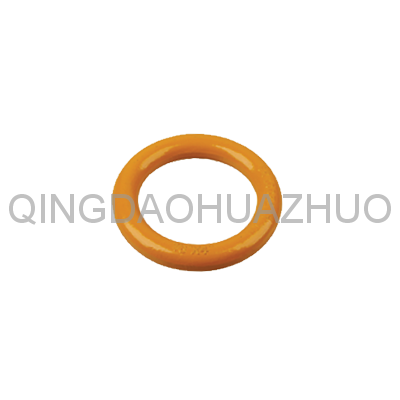
new weldless round ring
RELEVANT INFORMATION



Qingdao Huazhuo HD Machinery Co.,Ltd.
.
Qingdao Huazhuo HD Machinery Co.,Ltd. located in Qingdao, Shandong province of China, is a subsidiary of Shandong Machinery Group Corporation. The group corporation was founded in 1958 with rich production experience, solid technical strength and professional service team.

E-mail:sales@joyorigging.com
Add:Zhaoyin Mansion,36,Hongkong Middle Road, Qingdao 266071,China