Welcome To Qingdao Huazhuo HD Machinery Co.,Ltd.!

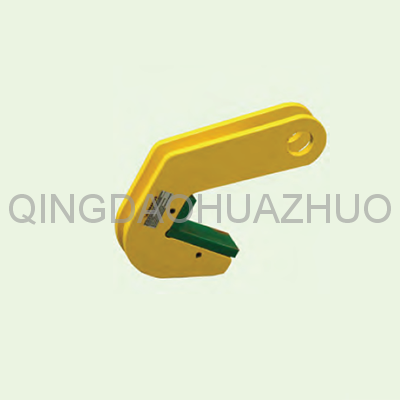
Essential Guide to Buying TPH Pipe Plate Clamps for Your Projects
2026-11-12
When it comes to securing pipes in various applications, TPH pipe plate clamps are an essential component. These clamps are designed to hold pipes firmly in place, preventing movement and maintaining alignment. Whether you’re working on plumbing, HVAC, or industrial projects, understanding how to effectively buy TPH pipe plate clamps can significantly enhance your efficiency and the durability of
When it comes to securing pipes in various applications, TPH pipe plate clamps are an essential component. These clamps are designed to hold pipes firmly in place, preventing movement and maintaining alignment. Whether you’re working on plumbing, HVAC, or industrial projects, understanding how to effectively buy TPH pipe plate clamps can significantly enhance your efficiency and the durability of your installations.
**Material Considerations**
The material of TPH pipe plate clamps is a major factor influencing their performance. Most clamps are made from steel or stainless steel, with stainless steel offering higher resistance to corrosion. If your application involves exposure to moisture or harsh chemicals, opting for stainless steel clamps may be the better choice. On the other hand, if cost is a primary concern and the environment is less aggressive, standard steel clamps can suffice.
**Size and Compatibility**
When buying TPH pipe plate clamps, ensure you select the right size for your pipes. Clamps are available in various sizes to accommodate different pipe diameters. It’s essential to measure the outer diameter of the pipe accurately to avoid any compatibility issues. In addition, consider the thickness of the plate used in conjunction with the clamp; this will affect the clamp's fitting and grip.
**Load Capacity and Design**
Different applications may require varying load capacities. It’s crucial to know the weight of the pipe and the contents it carries to choose clamps that can handle the load without risk of failure. Design variations such as single or double clamps can also affect stability and load distribution. Always assess your specific requirements to ensure you select clamps that offer the best support for your piping system.
**Installation Tips**
Proper installation of TPH pipe plate clamps is vital for their effectiveness. Ensure that you have all necessary tools on hand before starting, including wrenches, screwdrivers, and safety gear. When installing the clamps, follow the manufacturer’s guidelines for torque specifications to avoid overtightening, which can lead to damage. Additionally, inspect the installation periodically to ensure the clamps remain secure.
**Final Thoughts**
Buying TPH pipe plate clamps requires careful consideration of materials, sizes, load capacities, and installation practices. By understanding these factors, you’ll be better equipped to make informed decisions that enhance the functionality and longevity of your piping systems. Always prioritize quality and compatibility in your selections to achieve optimal results in your projects. With the right clamps in place, your installations will not only perform better but also stand the test of time, ensuring that your efforts yield the best outcomes.
buy tph pipe plate clamp
RELEVANT INFORMATION



Qingdao Huazhuo HD Machinery Co.,Ltd.
.
Qingdao Huazhuo HD Machinery Co.,Ltd. located in Qingdao, Shandong province of China, is a subsidiary of Shandong Machinery Group Corporation. The group corporation was founded in 1958 with rich production experience, solid technical strength and professional service team.

E-mail:sales@joyorigging.com
Add:Zhaoyin Mansion,36,Hongkong Middle Road, Qingdao 266071,China