Welcome To Qingdao Huazhuo HD Machinery Co.,Ltd.!

What Contractors Need to Know About Precast Concrete Lifting Threaded Ferrule Loops
2026-11-19
What Contractors Need to Know About Precast Concrete Lifting Threaded Ferrule Loops
Introduction to Precast Concrete Lifting Systems
Precast concrete lifting systems play a crucial role in modern construction methodologies. They facilitate the efficient transportation and installation of heavy precast components, ensuring that projects proceed smoothly and safely. Among the various lifting compone
What Contractors Need to Know About Precast Concrete Lifting Threaded Ferrule Loops
Introduction to Precast Concrete Lifting Systems
Precast concrete lifting systems play a crucial role in modern construction methodologies. They facilitate the efficient transportation and installation of heavy precast components, ensuring that projects proceed smoothly and safely. Among the various lifting components, **threaded ferrule loops** are indispensable for securing lifting operations. Understanding their design, usage, and best practices is essential for contractors looking to enhance their project efficiency and safety.
Understanding Precast Concrete Lifting Threaded Ferrule Loops
What Are Threaded Ferrule Loops?
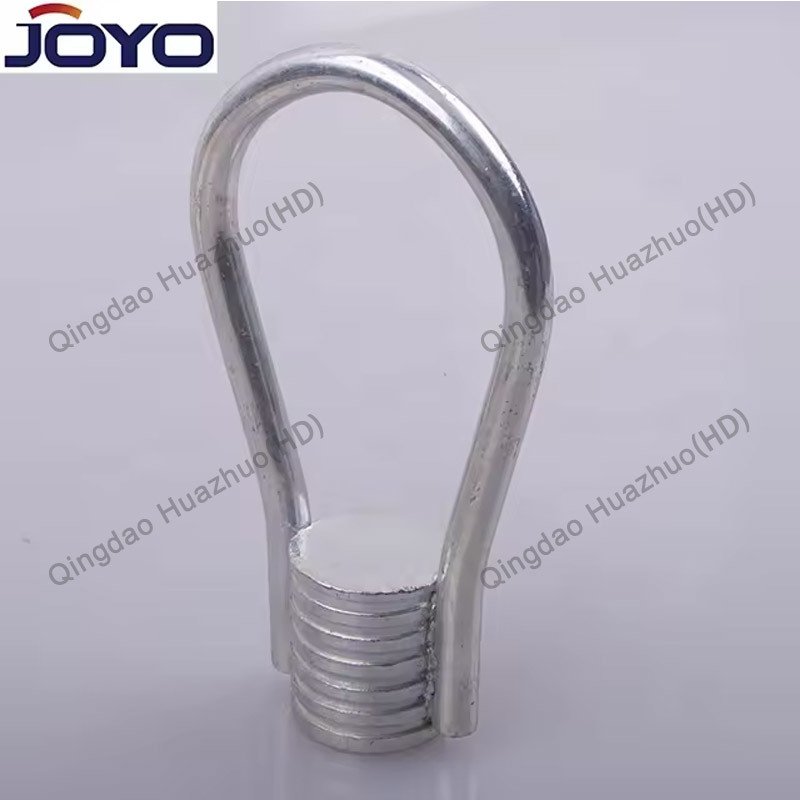
Threaded ferrule loops are specialized hardware used in precast concrete lifting systems. They consist of a loop with threads that can accommodate lifting devices, such as hooks or slings. The design allows for a secure connection to lifting equipment, ensuring that the load is safely transferred without risk of detachment.
Applications of Threaded Ferrule Loops
Threaded ferrule loops are utilized in various applications within the construction industry. Their primary function is to facilitate the lifting of precast concrete elements like walls, slabs, and beams. They are especially useful in:
- **Precast Wall Panels**: Providing a secure attachment point for lifting and placing large wall sections.
- **Concrete Slabs**: Enabling the safe transport of heavy slabs from manufacturing sites to construction locations.
- **Beams and Columns**: Assisting in the lifting of structural elements that demand precise placement.
Benefits of Using Threaded Ferrule Loops
Enhanced Safety
One of the primary benefits of using threaded ferrule loops is the enhanced safety they provide. The robust design ensures that the lifting connections are secure, reducing the risk of accidents caused by equipment failure or load detachment.
Efficiency in Operations
Threaded ferrule loops enable quicker and more efficient lifting operations. Their compatibility with various lifting devices allows contractors to streamline their processes, ultimately saving time and resources on the job site.
Versatility
These loops can be adapted to a variety of lifting scenarios. Their design accommodates different configurations and loads, allowing contractors to customize their lifting solutions according to specific project requirements.
Choosing the Right Ferrule Loop for Your Project
Factors to Consider
When selecting threaded ferrule loops for a project, contractors should consider several factors to ensure optimal performance:
- **Load Capacity**: Assess the weight and type of precast elements to determine the necessary load capacity for ferrule loops.
- **Material Quality**: Opt for high-grade materials, such as steel or alloy, which provide durability and strength.
- **Thread Specifications**: Ensure compatibility with lifting equipment by checking thread size and type.
Common Types of Threaded Ferrule Loops
Contractors can choose from various types of threaded ferrule loops, including:
- **Single Ferrule Loops**: Ideal for lifting lighter precast elements.
- **Double Ferrule Loops**: Designed for heavier loads, providing added security and stability during lifting.
Installation Guidelines for Threaded Ferrule Loops
Best Practices for Installation
Proper installation of threaded ferrule loops is vital for ensuring safety and performance. Here are some best practices:
- **Follow Manufacturer Instructions**: Always adhere to the manufacturer’s guidelines regarding installation and use.
- **Inspect Before Use**: Conduct thorough inspections of the ferrule loops before each use to identify any signs of wear or damage.
- **Use Appropriate Tools**: Utilize the correct tools for installation to ensure that connections are secure.
Safety Measures During Installation
Safety should always be a primary concern during the installation of threaded ferrule loops. Key measures include:
- **Wear Protective Gear**: Ensure all personnel are equipped with appropriate safety gear, including hard hats and gloves.
- **Employ Trained Personnel**: Only trained professionals should handle the installation and lifting operations involving ferrule loops.
Maintenance and Inspection of Ferrule Loops
Routine Maintenance Practices
To maintain the integrity of threaded ferrule loops, contractors should implement routine maintenance practices:
- **Regular Cleaning**: Clean ferrule loops to remove debris, rust, or other contaminants that could affect performance.
- **Periodic Inspections**: Schedule regular inspections to check for signs of wear, deformation, or corrosion.
Identifying Signs of Wear and Damage
Contractors should be vigilant about identifying potential issues with ferrule loops. Common signs of wear include:
- **Visible Cracks or Deformations**: Any irregularities in the loop’s shape can compromise safety and should be addressed immediately.
- **Surface Rust or Corrosion**: Corrosion can weaken the loop, making it unsafe for lifting operations.
Frequently Asked Questions (FAQs)
1. What is the weight capacity of threaded ferrule loops?
The weight capacity varies based on the specific design and material used. Contractors should refer to the manufacturer’s specifications to determine the appropriate capacity for their needs.
2. Are threaded ferrule loops reusable?
Yes, threaded ferrule loops can be reused, provided they are regularly inspected and maintained in good condition. Any loops showing signs of damage should be replaced.
3. Can I use ferrule loops for non-concrete materials?
While primarily designed for precast concrete, threaded ferrule loops can be adapted for use with other materials, depending on the load and attachment requirements.
4. How do I determine the correct size of ferrule loop for my project?
To determine the correct size, consider the load weight, the type of precast element being lifted, and the compatibility with the lifting equipment.
5. What safety certifications should I look for in ferrule loops?
Always choose ferrule loops that meet industry safety standards and certifications, such as ASTM or ISO, to ensure reliability and safety during lifting operations.
Conclusion
Understanding the intricacies of precast concrete lifting threaded ferrule loops is essential for contractors aiming to enhance safety and efficiency on job sites. By choosing the right loops, adhering to installation best practices, and maintaining a rigorous inspection routine, contractors can significantly reduce risks associated with lifting operations. With the knowledge gained from this guide, we can confidently navigate the complexities of precast concrete lifting systems and ensure successful project outcomes.
precast concrete lifting threaded ferrule loop insert
RELEVANT INFORMATION



Qingdao Huazhuo HD Machinery Co.,Ltd.
.
Qingdao Huazhuo HD Machinery Co.,Ltd. located in Qingdao, Shandong province of China, is a subsidiary of Shandong Machinery Group Corporation. The group corporation was founded in 1958 with rich production experience, solid technical strength and professional service team.

E-mail:sales@joyorigging.com
Add:Zhaoyin Mansion,36,Hongkong Middle Road, Qingdao 266071,China