Welcome To Qingdao Huazhuo HD Machinery Co.,Ltd.!

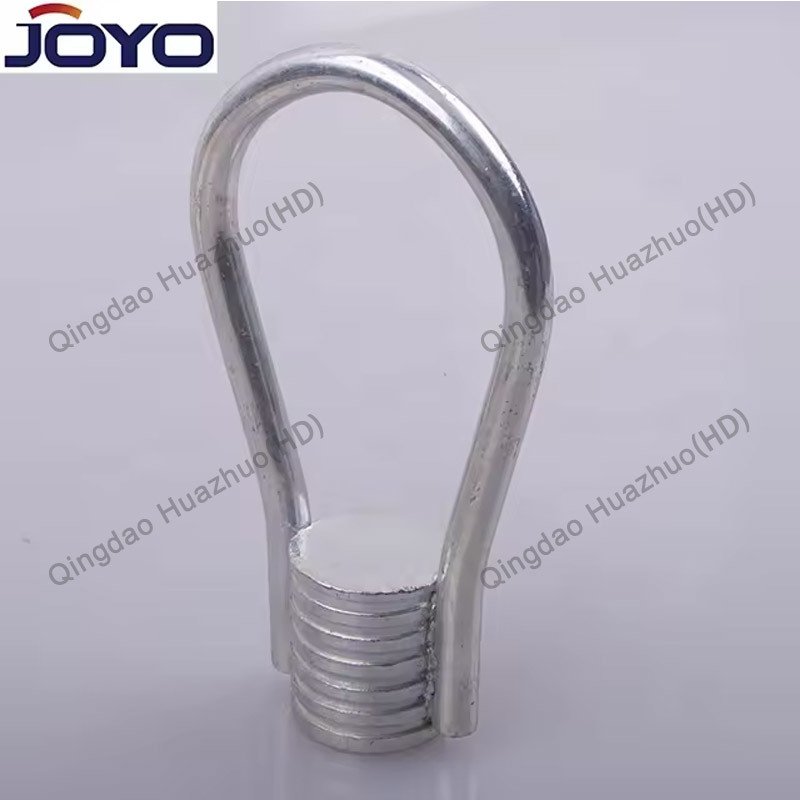
Understanding Precast Concrete Waved Lifting Socket Tail Bar Anc: Key Insights for Industry Professionals
2026-01-01
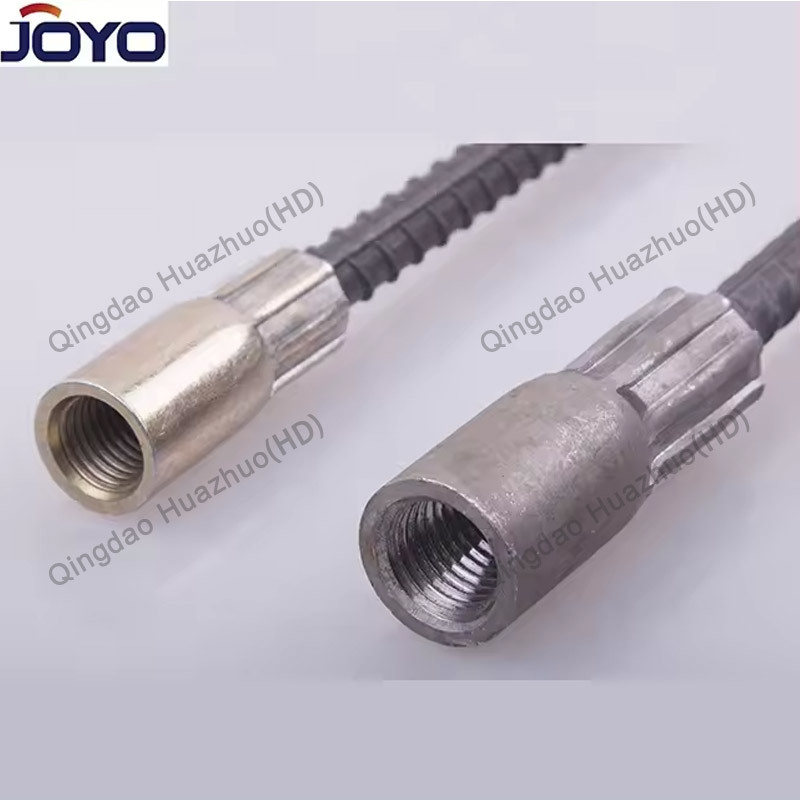
Precast concrete waved lifting socket tail bar anc is an important element in the construction and precast concrete industries. Understanding its function, design, and applications can significantly assist professionals in selecting the right components for their projects. The waved lifting socket is primarily designed to facilitate the efficient lifting and handling of precast concrete elements.
Precast concrete waved lifting socket tail bar anc is an important element in the construction and precast concrete industries. Understanding its function, design, and applications can significantly assist professionals in selecting the right components for their projects. The waved lifting socket is primarily designed to facilitate the efficient lifting and handling of precast concrete elements. This unique design includes a series of waves or grooves that help secure the lifting device, ensuring a reliable grip during the lifting process.
One of the primary benefits of using waved lifting sockets is their ability to distribute loads evenly. This feature minimizes stress concentrations on the precast concrete unit, thereby enhancing safety during lifting operations. Additionally, the design allows for quick and easy attachment and detachment of lifting devices, which can improve overall efficiency on construction sites.
The tail bar anc, or anchorage, is another critical component. This element ensures that the lifting socket is firmly anchored to the precast component, providing stability and preventing any unwanted movement during handling. The integration of the tail bar anc with the waved lifting socket is crucial for achieving optimal performance and safety standards. It is recommended to ensure that the anchorage is compatible with the specific lifting equipment in use to achieve the best results.
When working with precast concrete, it is vital to consider the environmental factors that may affect the performance of lifting sockets and tail bars. Factors such as temperature, humidity, and exposure to harsh chemicals can influence the longevity and reliability of these components. Therefore, manufacturers often utilize materials that can withstand these conditions, enhancing the durability and lifespan of the lifting sockets and anchorage systems.
Moreover, adhering to industry standards and regulations is essential when selecting and using precast concrete waved lifting socket tail bar anc. These standards not only ensure safety during lifting operations but also promote best practices in the industry. Regular inspections and maintenance of lifting equipment can further enhance safety and performance, preventing potential accidents caused by equipment failure.
In conclusion, understanding the functionalities and best practices related to precast concrete waved lifting socket tail bar anc is essential for professionals in the hardware tools and accessories industry. By considering the design, applications, and environmental factors, industry stakeholders can make informed decisions that lead to safer and more efficient lifting operations. Investing time in learning about these components can ultimately contribute to the success of construction projects.
precast concrete waved lifting socket tail bar anchor
RELEVANT INFORMATION


Qingdao Huazhuo HD Machinery Co.,Ltd.
.
Qingdao Huazhuo HD Machinery Co.,Ltd. located in Qingdao, Shandong province of China, is a subsidiary of Shandong Machinery Group Corporation. The group corporation was founded in 1958 with rich production experience, solid technical strength and professional service team.

E-mail:sales@joyorigging.com
Add:Zhaoyin Mansion,36,Hongkong Middle Road, Qingdao 266071,China