Welcome To Qingdao Huazhuo HD Machinery Co.,Ltd.!

Understanding Precast Concrete Waved Lifting Socket Tail Bars: Applications and Benefits
2026-05-08
Precast concrete waved lifting socket tail bars are specialized components used in the lifting and handling of precast concrete elements. These tail bars are designed to facilitate the lifting process by providing a secure connection point for lifting equipment, such as cranes or hoists. The unique waved design of the socket allows for improved load distribution and stress management, significantl
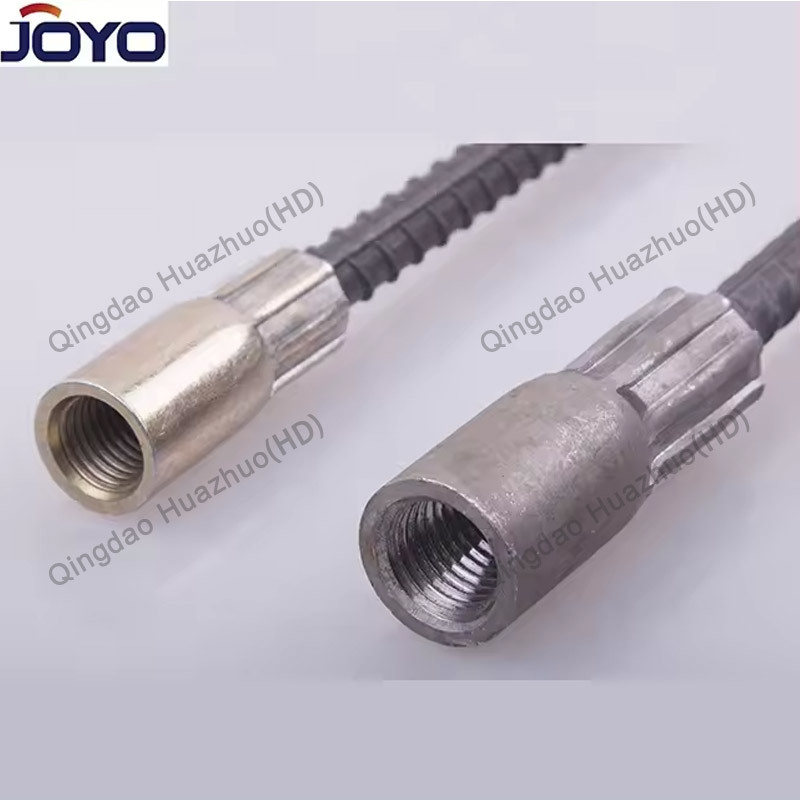
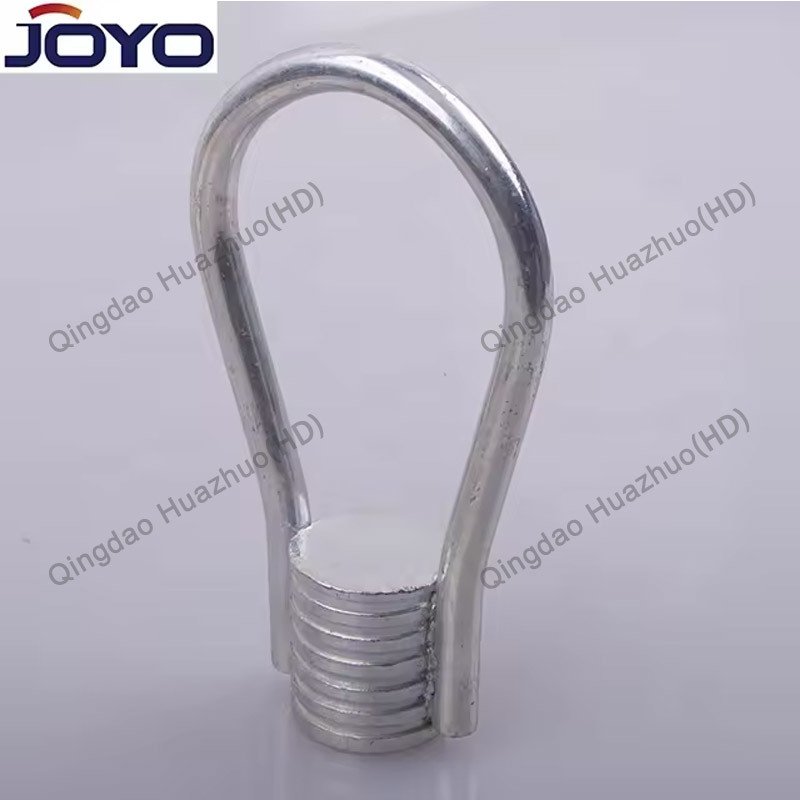
Precast concrete waved lifting socket tail bars are specialized components used in the lifting and handling of precast concrete elements. These tail bars are designed to facilitate the lifting process by providing a secure connection point for lifting equipment, such as cranes or hoists. The unique waved design of the socket allows for improved load distribution and stress management, significantly enhancing the structural integrity of the concrete elements being lifted.
One of the primary advantages of using precast concrete waved lifting socket tail bars is their ability to accommodate various lifting scenarios. Their design allows for versatility in both horizontal and vertical lifting applications, making them ideal for diverse construction projects. Whether lifting wall panels, beams, or slabs, these tail bars ensure that the load is evenly distributed, minimizing the risk of damage to the precast units during handling.
Additionally, the use of waved lifting socket tail bars can lead to increased safety on construction sites. By providing a robust and reliable lifting point, these components reduce the likelihood of accidents associated with lifting operations. Proper attachment of the lifting equipment to the tail bars ensures that the precast elements are lifted securely, thereby preventing unexpected failures that could lead to injury or property damage.
In terms of installation, precast concrete waved lifting socket tail bars are typically integrated into the precast elements during the manufacturing process. This allows for seamless incorporation into the concrete structure, ensuring that the lifting sockets are perfectly aligned and ready for use when the precast components are delivered to the construction site. The manufacturing process can also be optimized to include these tail bars without significantly affecting production timelines or costs.
Moreover, the durability of these tail bars is another noteworthy feature. Constructed from high-quality materials, they are engineered to withstand the rigors of heavy lifting and harsh environmental conditions. This longevity not only reduces the need for frequent replacements but also contributes to the overall cost-effectiveness of using precast concrete in construction.
In conclusion, precast concrete waved lifting socket tail bars are indispensable components that enhance the efficiency, safety, and reliability of lifting operations in the construction industry. Their unique design, versatile applications, and durability make them a valuable asset for any project involving precast concrete elements. Understanding their benefits and applications can lead to better decision-making and improved outcomes in construction practices.
precast concrete waved lifting socket tail bar anchor
RELEVANT INFORMATION


Qingdao Huazhuo HD Machinery Co.,Ltd.
.
Qingdao Huazhuo HD Machinery Co.,Ltd. located in Qingdao, Shandong province of China, is a subsidiary of Shandong Machinery Group Corporation. The group corporation was founded in 1958 with rich production experience, solid technical strength and professional service team.

E-mail:sales@joyorigging.com
Add:Zhaoyin Mansion,36,Hongkong Middle Road, Qingdao 266071,China